 By Edwin Ronald Lambert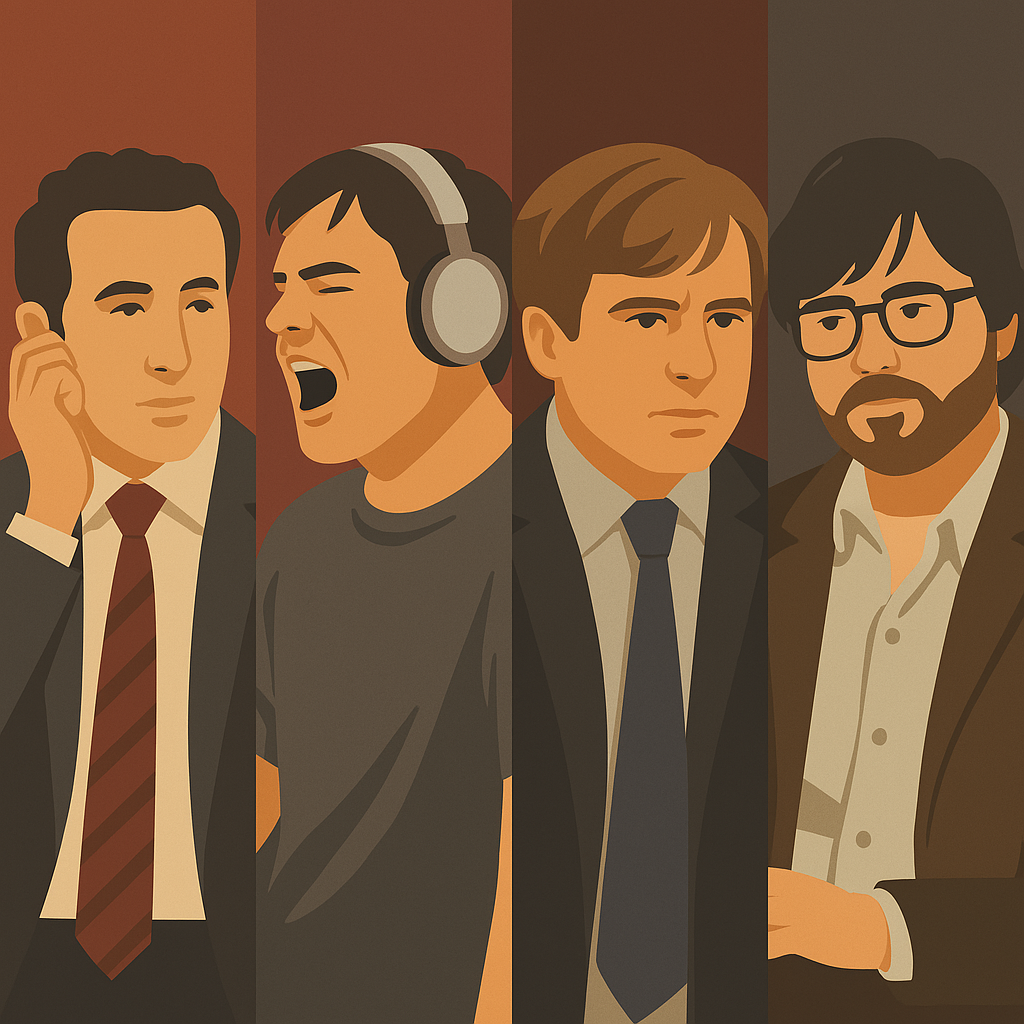
The Big Short is more than just a movie—it’s a real story of how the U.S. economy nearly collapsed in 2008, and how a few sharp individuals saw it coming when no one else did. But to fully understand what happened, let’s break it down in simple terms. Here’s the Big Short explained in simple terms.
Read the Film Review: The Big Short Film Review: Betting Against the System
Read more about: 2008 Financial Crisis
What Was the 2008 Financial Crisis All About?
The 2008 crisis was a massive economic meltdown triggered by risky practices in the U.S. housing and financial markets. It led to:
- Millions of people losing their homes and jobs
- Huge banks going bankrupt
- A global recession that took years to recover from
But how did it all begin? Let’s rewind a bit.
The Housing Market Boom: A House of Cards
Before the crash, owning a home was the American dream. Banks were giving out home loans (mortgages) left and right—even to people who couldn’t afford them. These were called subprime mortgages (sub = below, prime = best) because they were given to borrowers with poor credit.
Didn’t understand what a subprime mortgage is? Then read this: What Is a Subprime Mortgage?
Why did banks do this?
- They didn’t hold the risk.
Banks quickly sold those loans to bigger financial firms. - The loans were bundled together.
These bundles were called Mortgage-Backed Securities (MBS). Think of them like a fruit salad of mortgages—some ripe (safe), some rotten (risky), but sold as premium products. - Rating agencies gave them AAA ratings.
Even the risky bundles were marked as very safe. That’s like calling junk food healthy just because it’s wrapped nicely.
Enter the Bubble: It Was Bound to Pop
The more houses were sold, the more prices rose. This created a housing bubble—a market inflated far beyond its real value. People thought house prices would never fall. Spoiler: they did.
Meanwhile, Wall Street created even crazier products like Collateralized Debt Obligations (CDOs) and synthetic CDOs, which were basically bets on bets.
The Big Short: Who Saw It Coming?
The film The Big Short focuses on a few outsiders who did the math and realized:
👉 The housing market is a ticking time bomb.
These real people (renamed slightly in the film) included:
- Michael Burry – A quirky hedge fund manager who read the fine print and discovered the mortgage market was full of bad loans. He bet against the housing market—this is called “shorting.”
- Mark Baum (based on Steve Eisman) – An angry analyst who was skeptical of Wall Street and started digging deep into mortgage fraud.
- Charlie Geller & Jamie Shipley – Young investors who found a way into the big leagues and jumped on the shorting bandwagon.
- Ben Rickert (played by Brad Pitt) – A retired banker who helped the young duo make their big move, but reminded them of the real-world consequences.
Shorting the Market: Betting on a Collapse
These guys bought credit default swaps (CDS)—a kind of insurance that pays out if a company (or in this case, mortgage bonds) fails.
Want to know what credit default swaps are? Then read this: Credit Default Swap: What It Is and How It Works
Everyone laughed at them. But as more people defaulted on their mortgages, the market started to crack.
The Collapse: 2008 Hits
- People stopped paying their mortgages.
- Housing prices dropped fast.
- Mortgage-backed securities collapsed in value.
- Banks like Lehman Brothers went bankrupt.
- The government had to bail out big banks to prevent total collapse.
Who Lost and Who Gained?
- The losers: Millions of homeowners, workers, and small investors.
- The winners: Those who shorted the housing market—like the characters in The Big Short. They made billions.
But most of them weren’t happy. They didn’t celebrate. They saw how broken the system really was—and how ordinary people paid the price.
Read the Film Review: The Big Short Film Review: Betting Against the System
Why It Matters Today
The 2008 crisis showed:
- How greed and lack of oversight can crash an economy
- The dangers of trusting financial ratings blindly
- The importance of asking questions, even if you’re the only one doing so
Final Thoughts: What The Big Short Teaches Us
The Big Short isn’t just a story about money. It’s about seeing through the noise, asking the right questions, and understanding that when something seems too good to be true—it probably is.
So next time you hear about a booming market, just remember:
Even the biggest bubbles can burst.
Discover more from Stack Archives
Subscribe to get the latest posts sent to your email.