 By Edwin Ronald Lambert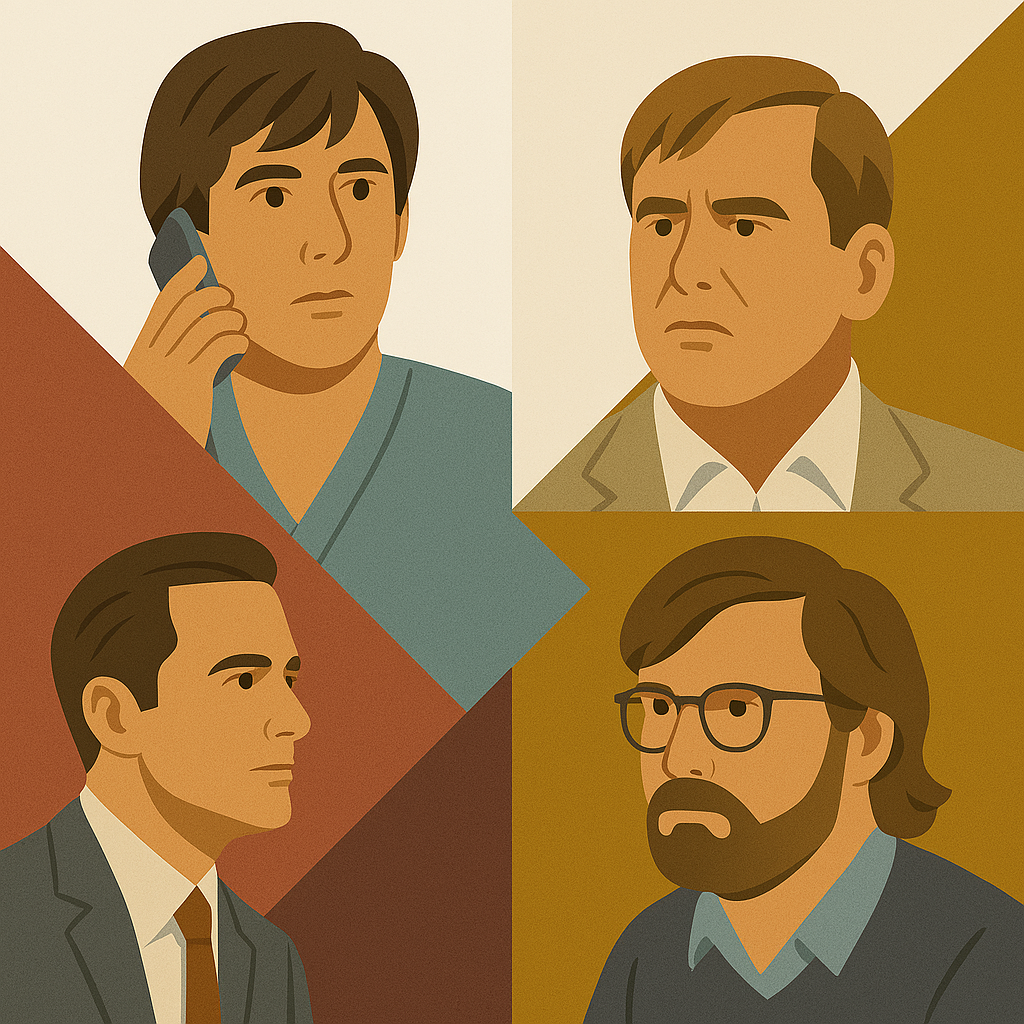
Introduction
The Big Short is directed by Adam McKay and produced by Plan B Entertainment. It belongs to the biographical drama/comedy-drama genre and was released in 2015. The film has gained attention for its sharp commentary on the 2008 financial crisis and received multiple Academy Award nominations, including a win for Best Adapted Screenplay.
Before watching the film, I expected a slightly dry financial exposé, but what I got instead was an emotional, engaging, and clever narrative that both educated and entertained. After watching it, I’d rate it 4/5. While it has plenty of strengths — particularly its concept, cast, and innovative storytelling — it’s also emotionally complex, leaving the viewer somewhere between entertained and morally outraged.
This is not just a movie about Wall Street. It’s about how power and profit intertwine, and how those at the top profit while the majority suffer. It explores themes of economic injustice, financial systems, greed, and the burden of knowledge, and delivers a jarring but insightful look into one of the most pivotal financial collapses of our generation.
Rating: 4/5

Summary of “The Big Short”
The film follows several real-life figures who saw the 2008 financial collapse coming — including Dr. Michael Burry (Christian Bale), Mark Baum (Steve Carell), Jared Vennett (Ryan Gosling), and Ben Rickert (Brad Pitt). Set in the years leading up to the housing market crash, the story revolves around their discoveries of the unstable foundation of mortgage-backed securities and their decision to bet against (or “short”) the housing market.
As the story unfolds, we watch their deeply personal and professional journeys — from boardrooms to Vegas expos, from quiet offices to chaotic trading floors. The film balances dark humor and intense drama while delivering a profound critique of financial institutions and the blindness of those who trusted them.
At its core, The Big Short isn’t just a film about finance — it’s a tale of moral ambiguity, where winning financially can feel like losing ethically.

Analysis & Evaluation
Cinematography
The cinematography in The Big Short is energetic and innovative. The visuals effectively capture the chaos and absurdity of the financial world through breaking the fourth wall, fast cuts, and frequent zooms.
The use of handheld shots and documentary-style framing adds realism and urgency. A standout moment is when Jared Vennett explains synthetic CDOs — the camera work emphasizes the overwhelming complexity of the system.
While this style may be disorienting for some viewers, it fits perfectly with the film’s chaotic subject matter, creating a sense of immersion that reflects the underlying instability of the financial system.
Editing
The editing in The Big Short is bold and unconventional. The film’s structure unfolds rapidly, yet methodically, layering one revelation after another without overwhelming the viewer.
The sequences are cut together in a way that maintains engagement, especially when the narrative pauses for clever educational interludes — like Margot Robbie in a bubble bath explaining subprime mortgages or Anthony Bourdain using leftover fish stew to describe synthetic CDOs.
There are moments when the pace can feel frenetic, and the non-linear format may confuse some, but overall, the editing keeps the momentum and delivers emotional and informational impact simultaneously.
Mise en Scène
The world of The Big Short feels grounded and detailed — from the sterile offices of hedge funds to the glitzy hotels of Las Vegas. Every set, costume, and prop reinforces the film’s grounding in a very real moment of recent history.
There’s a stark contrast between the everyday lives of average Americans and the polished, self-assured world of high finance. One of the most visually striking contrasts is a scene where a neighborhood is completely abandoned, yet banks are still labeling the homes “AAA.”

While not extravagant in design, the film’s realism is what makes its world so impactful.
Performance
Christian Bale delivers a powerful performance as Michael Burry — socially awkward, brilliant, and deeply principled. Steve Carell’s portrayal of Mark Baum is emotionally gripping, capturing a man who is both enraged and depressed by the injustice he sees.
Ryan Gosling adds slick, cynical charisma as Jared Vennett, while Brad Pitt, as the quietly intense Ben Rickert, grounds the film’s moral compass.
The chemistry among the ensemble is electric, and even the minor roles are cast impeccably. While some characters are more developed than others, their collective performances make the film deeply engaging.
Sound & Music
The soundtrack of The Big Short is upbeat, ironic, and purposefully out-of-sync with the grim reality of the plot. Classic rock tracks and pop hits from the era add a layer of commentary to the scenes — underscoring the disconnect between the Wall Street bubble and the looming crisis.
Sound design is subtle but effective — especially in scenes where conversations reveal world-changing information against mundane backdrops.
The film’s use of narration by Gosling’s character helps keep viewers anchored, especially when the plot dives into complex territory.
Themes & Message
The Big Short explores themes of systemic failure, moral responsibility, class disparity, and the dangers of blind trust in authority. It’s a scathing indictment of the institutions that allowed greed to override accountability.
The film conveys a deeply unsettling message: those who saw the collapse coming had money; they made money, but no one else really paid the price — except the ordinary people who lost their homes, savings, and livelihoods.
It’s a rare film that makes you feel both excited by the narrative and devastated by the reality.
Audience Appeal
This film would appeal to:
- Fans of true stories and investigative dramas – If you enjoyed Spotlight, Moneyball, or Vice, this is another fast-talking, sharp-witted film with real stakes.
- Viewers interested in economics or politics – The movie makes complex financial systems digestible through fun, clever teaching moments.
- Anyone interested in how the world really works – It’s eye-opening, especially for those curious about the underbelly of capitalism.
To Whom Would I Recommend This Film?
I’d recommend The Big Short to:
- Students or young professionals – Especially those studying business, finance, or political science, because it humanizes the numbers.
- People skeptical of Wall Street or curious about the 2008 crash – It explains everything in a way that’s both fun and shocking.
- Fans of dark comedies and social critique films – This one hits all the marks.
Famous Line from “The Big Short”
“Truth is like poetry. And most people f*ing hate poetry.” — Overheard in a Washington D.C. bar
Other Film Recommendations
If you liked The Big Short, you might also enjoy:
- Vice – Another Adam McKay film that blends politics and dark humor.
- Margin Call – A more dramatic, late-night corporate take on the financial crisis.
- Inside Job – A documentary with hard facts and expert interviews about the same subject.
Conclusion
The Big Short is a thought-provoking, fast-paced, and darkly humorous look at one of the most catastrophic events in modern financial history. It manages to be both educational and emotionally impactful — a rare combination.
While some storytelling elements may feel overwhelming at first, the film’s creative presentation and incredible cast make it more than worth the watch. It’s not just about money — it’s about what happens when we let power go unchecked.
What did you think? Did The Big Short change how you see the world of finance? Let’s talk movies!
Discover more from Stack Archives
Subscribe to get the latest posts sent to your email.